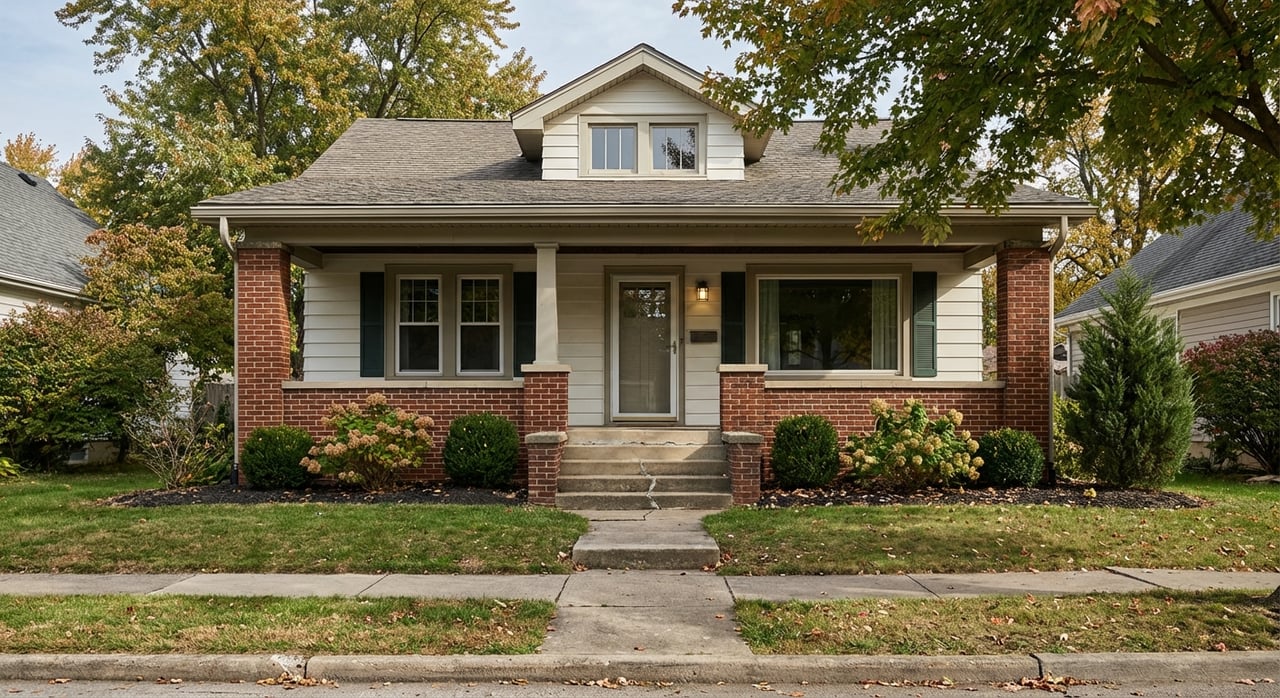
Looking for a classic Indy neighborhood with leafy streets, porch culture, and homes that actually feel like homes? If you love character and want a central location that still feels residential, Meridian‑Kessler should be on your list. In this guide, you’ll learn where the neighborhood starts and ends, what kinds of houses you’ll find, how the market is trending, and what to know before you buy. Let’s dive in.
Meridian‑Kessler at a glance
Meridian‑Kessler is a well‑established north‑side Indianapolis neighborhood about 3.5 to 4 miles from downtown, known for tree‑lined streets and early 20th‑century homes. For a deep overview of its history and vibe, see this concise Meridian‑Kessler profile.
The neighborhood’s clear boundaries are: Kessler Boulevard to the north, the Monon Trail to the east, East 38th Street to the south, and North Meridian Street to the west. The MKNA map also breaks the area into distinct zones that help explain why one block can feel different from the next.
MKNA, the Meridian‑Kessler Neighborhood Association, is an active group founded in 1965 that supports local planning, events, and preservation priorities. If you want the lay of the land on policies or guidelines, their About page is a great starting point.
Housing styles and eras
Signature architecture
Meridian‑Kessler showcases Tudor Revival, Colonial Revival, Craftsman and bungalow homes, plus American Foursquare and Prairie influences. Many of the most elaborate residences, especially along North Meridian, date from about 1900 to 1936 and fall within the North Meridian Street Historic District. Interior streets feature smaller Craftsman and bungalow‑era homes, with a few historic subdivisions like Oliver Johnson’s Woods nearby.
Lot feel by block
Expect larger parcels, generous setbacks, and formal front lawns on and near Meridian Street, along with mature trees that create a park‑like feel. Interior blocks generally have modest to mid‑sized urban lots with sidewalks and planted front yards. South, closer to East 38th Street, you’ll see more duplexes and apartment conversions. Use the MKNA map to compare how each zone reads on the ground.
Multi‑unit and condo options
While single‑family homes dominate, you will find pockets of low‑rise apartments and a few high‑rise residential buildings along Meridian and other corridors. The neighborhood planning materials identify where these clusters tend to be, which can help if you are weighing condo or apartment living in the same area. For context, see the Great Places planning summary for Maple Crossing on Slideshare.
What age means for buyers
Most homes were built between 1900 and the 1940s. That age brings character and solid bones, but you should budget for thorough inspections and potential modernization of mechanicals, foundations, and finishes. If a home contributes to the historic district, plan ahead for exterior changes.
Historic districts and renovation
Meridian‑Kessler includes and borders notable historic districts, including the North Meridian Street Historic District and Oliver Johnson’s Woods. National Register listing is primarily honorific, but it flags high architectural value and can guide decisions on renovations and potential incentives. Before starting major work, confirm whether your property is listed or covered by a local overlay and review MKNA priorities. Start with MKNA’s preservation context on their About page and learn about statewide preservation activity from Indiana Landmarks.
Streets, shops, and daily life
Main corridors and walkable pockets
Key routes shape how you’ll use the neighborhood: North Meridian Street frames the west edge and is an architectural spine; Kessler Boulevard gives the north side a greenway feel; East 38th Street is a major east‑west connector; and College and Central avenues host clusters of neighborhood services and restaurants. MKNA highlights small commercial nodes, including the area around Boulevard and 42nd Street. Use the MKNA map to pinpoint these pockets before you tour.
Parks and trails
The Monon Trail runs along Meridian‑Kessler’s eastern edge and connects south to downtown corridors and north to Broad Ripple and Carmel, making it a major lifestyle amenity for biking and weekend runs. Learn more about the route on the Monon Trail page.
Culture close by
Butler University sits just minutes away, offering performances, sports, and a beautiful campus. If you are mapping a visit, start with Butler’s maps and directions. The Newfields campus, including the Oldfields‑Lilly House & Gardens, is also a short drive for art, gardens, and seasonal events.
Community events
The annual Meridian‑Kessler Home Tour is a favorite for getting inside neighborhood homes and understanding street feel. Watch for dates on event listings such as the Meridian‑Kessler Home Tour.
Schools and enrollment basics
School boundaries can vary by block and do change. Instead of assuming an assignment, verify by the exact home address directly with the district. As a reference point, Shortridge High School is located on North Meridian Street and is commonly mentioned for this area. For a neighborhood‑adjacent overview, see this summary of Shortridge High School. Always confirm enrollment directly with the district before making decisions.
Market snapshot for late 2025 to early 2026
- Zillow reported a typical home value around 400,900 dollars as of January 31, 2026.
- Redfin and Rocket Homes reported a median sold price near 469,900 dollars in June 2025.
- Realtor.com listed a neighborhood median around 399,000 dollars in reports through December 2025.
These snapshots suggest a mid‑300s to mid‑400s baseline for many listings, with larger historic homes and fully restored properties selling higher. Inventory has been modest, and sources described a seller’s market in mid‑2025. Because days on market and pricing can shift block to block, use a live MLS feed and a current consult before you write an offer.
Micro‑areas to know before you tour
Meridian Street frontage
Large lots, formal lawns, and landmark architecture create a grand residential corridor along North Meridian. Many properties here are part of the recognized historic district. Expect longer setbacks and a stately streetscape.
Interior bungalow blocks
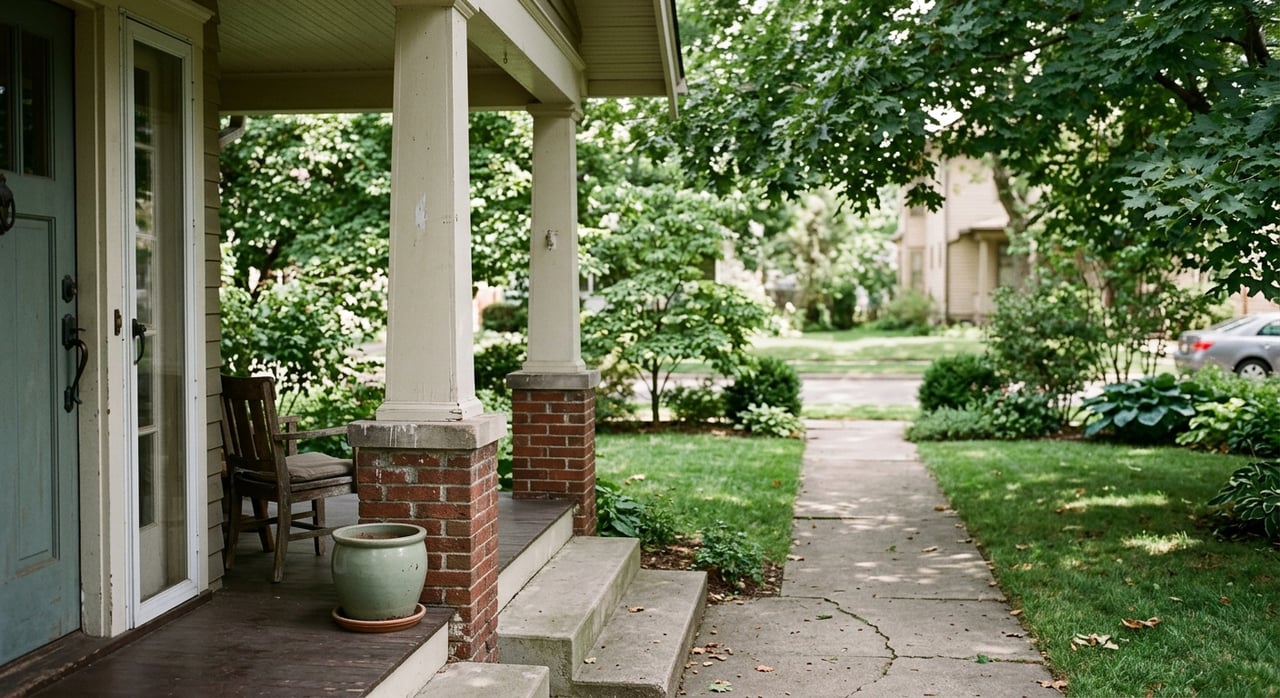
Just a few streets east of Meridian, you’ll find Craftsman bungalows, Foursquares, and early revival styles on modest to mid‑sized lots. Streets are walkable with sidewalks, and homes often have front porches that lean into neighborhood life.
Near 38th Street
Closer to the southern edge, you’ll see a higher mix of duplexes and small apartment conversions. This area offers more varied housing types within the neighborhood’s same mature tree canopy.
East edge by the Monon
Blocks nearest the Monon Trail offer quick trail access and easy connections to neighborhood services along College and Central avenues. If biking or running is part of your daily routine, this side of the neighborhood can be a smart fit.
Buyer checklist: what to weigh
- Inspections and systems. Most homes were built 1900 to 1940s. Budget for full inspections and potential updates to electrical, plumbing, HVAC, and foundations. If the home contributes to a historic district, plan approvals carefully.
- Garages and parking. Many historic parcels predate modern three‑car garages. Confirm off‑street parking, alley access, and the footprint before you fall in love with a floor plan.
- Traffic and streetscape. Meridian Street is a key arterial. The city has discussed changes to improve safety and comfort for all users. Keep an eye on local coverage of potential Meridian Street updates.
- Ownership mix. The neighborhood includes both owner‑occupied homes and rental buildings. Planning materials outline where apartment clusters concentrate along major corridors. For background, review the Great Places Maple Crossing plan.
- Financing details. Older components like lead paint or obsolete wiring are not uncommon in very old houses and can affect insurance or underwriting. Verify lender and insurer criteria early to avoid surprises.
- Preservation and incentives. Some National Register‑listed contributing properties may qualify for rehab incentives. Confirm eligibility and the difference between federal listing and local design review with MKNA and Indiana Landmarks.
Your next step
If Meridian‑Kessler checks your boxes, walk a few blocks, compare zones with the MKNA map, and line up a current market read before you tour. Ready for tailored guidance, on‑the‑ground comps, and a smart offer strategy that fits this historic neighborhood? Reach out to Mariah Barlow for a quick consult. Local Heart, Big‑League Hustle, and clear next steps.
FAQs
What are Meridian‑Kessler’s exact boundaries?
- North Kessler Boulevard, east the Monon Trail, south East 38th Street, and west North Meridian Street, per MKNA’s published map.
What home styles are common in Meridian‑Kessler?
- Tudor and Colonial Revival, Craftsman and bungalow, American Foursquare, and Prairie‑influenced homes, with significant historic architecture along North Meridian.
Is Meridian‑Kessler walkable and what are nearby amenities?
- You’ll find neighborhood services along College and Central, quick access to the Monon Trail, and close cultural anchors like Butler University.
How competitive is the market and what are current prices?
- Late‑2025 sources cited medians from the high 300s to the mid 400s, with larger or restored homes selling higher. Inventory has been modest, so be prepared.
What should I know before renovating a historic home?
- Confirm if the property is in or near a historic district and review MKNA guidelines; some work may need design review or preservation guidance.
How do schools work for homes in Meridian‑Kessler?
- Boundaries vary by block and can change; verify by address with the district. Shortridge High School sits on North Meridian and is commonly referenced in the area.
Are there condo or apartment options in Meridian‑Kessler?
- Yes. Expect pockets of low‑rise apartments and a few high‑rise buildings along major corridors like Meridian Street, which add non‑single‑family choices nearby.