Trying to decide whether to buy your first home in Fishers or in a nearby Indianapolis neighborhood? You are not alone. The two areas offer very different price points, commutes, and lifestyles, which can make the choice feel big. In this guide, you will get clear numbers, a simple decision framework, and step‑by‑step next moves so you can shop with confidence. Let’s dive in.
Market snapshot: price and pace
Recent market indexes put the typical Fishers home in the low to mid 400s, with commonly cited figures around 399,000 to 432,000 dollars. Across Indianapolis, typical home values often land in the low 200s, depending on the neighborhood. That price gap is the clearest lever if you want a lower entry cost.
Trackers showed Fishers cooled slightly in late 2025, while many central Indy neighborhoods remained relatively affordable and active. Different data sources use different windows, so expect small variations in reported medians. The big picture holds: Fishers usually requires a larger budget, while Indianapolis offers more entry points under 300,000 dollars.
What you can buy: Fishers vs Indy
Fishers options and ranges
- Condos and townhomes. Many entry options in Fishers list in the high 200s to low 300s. These work well if you prefer low maintenance.
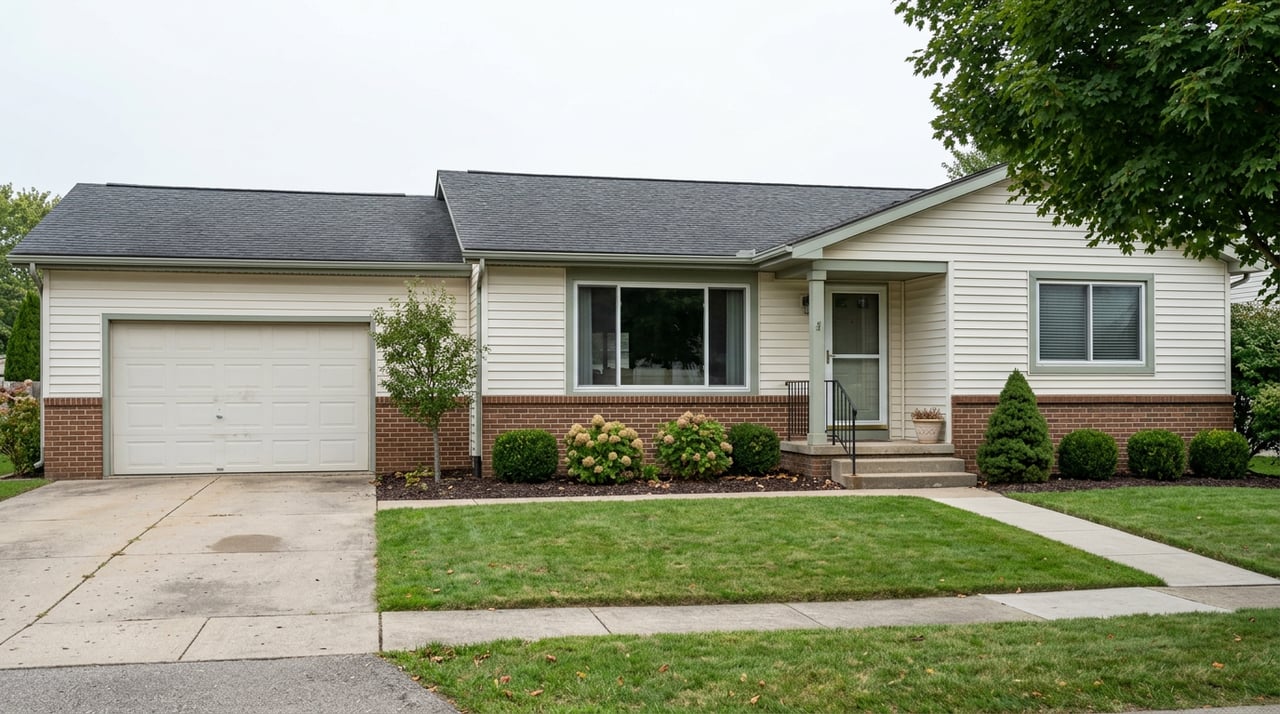
- Starter single‑family. You will often see smaller or older homes in the 300,000 to 450,000 dollar band.
- Mid to upper single‑family. Newer subdivisions, larger lots, and homes near Geist Reservoir commonly range from 450,000 to 800,000 dollars. True waterfront or custom properties can reach higher price points.
- HOAs. Many subdivisions and townhome communities have HOA dues for pools, playgrounds, landscaping, or exterior maintenance. Build those fees into your monthly budget.
Indianapolis options and ranges
- Broader range of price points. Many central neighborhoods have typical values in the low 200s, with some starter condos and smaller homes below that and renovated houses above.
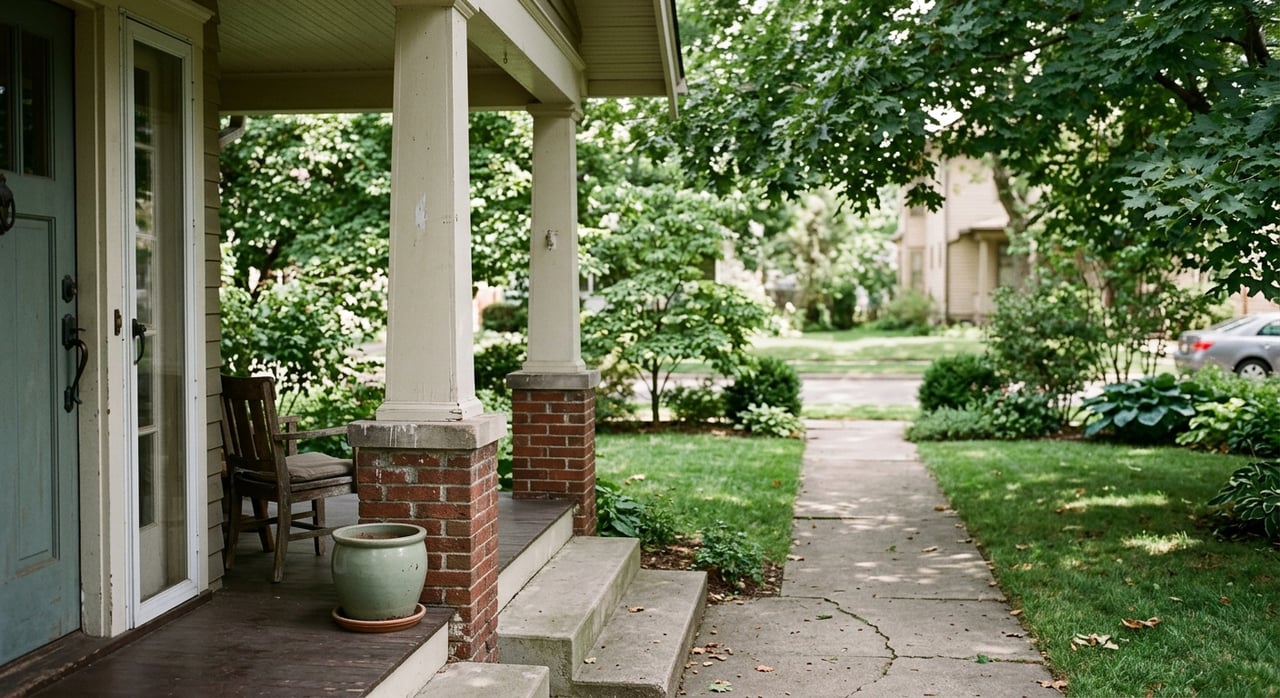
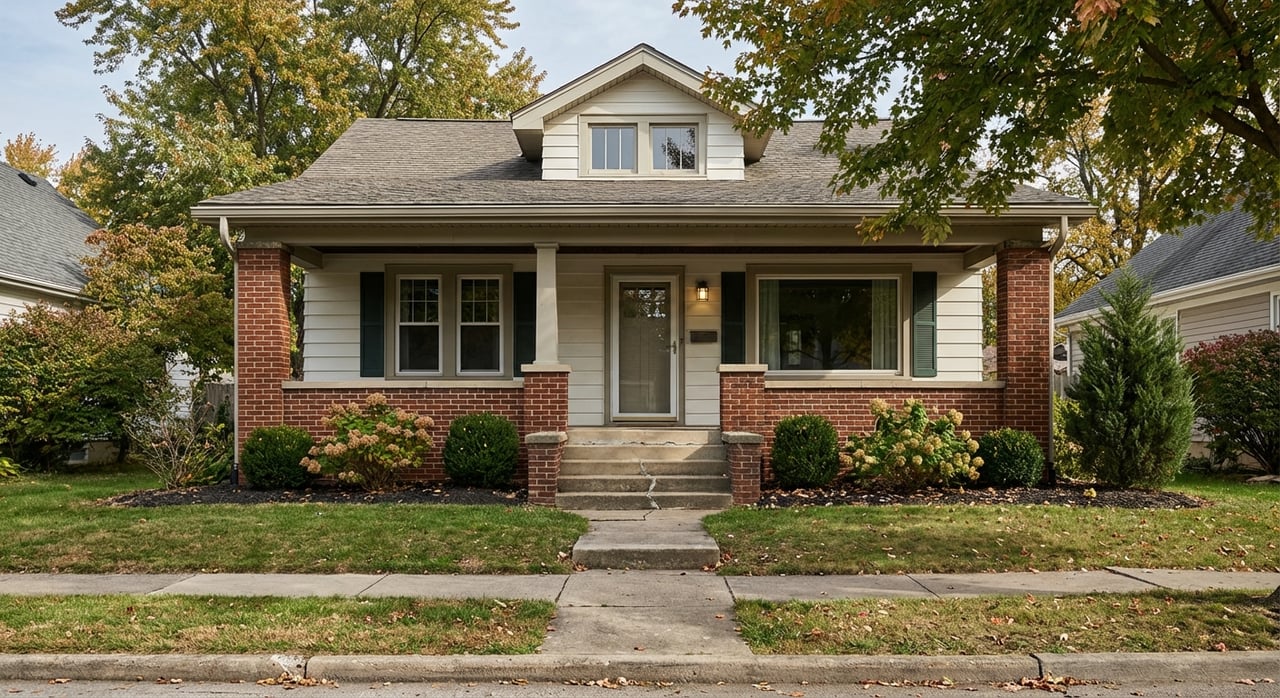
- Housing types. You will find classic bungalows, craftsman homes, mid‑century ranches, townhomes, and condos across areas like Downtown, Fountain Square, Irvington, Broad Ripple, and nearby corridors.
- HOA considerations. City condos and some townhome communities also carry HOA dues. Compare monthly totals, not just list prices.
Schools and parks: how to factor it in
Hamilton Southeastern Schools (HSE) serve most Fishers addresses and are a frequent reason some buyers choose the area. Since school assignments can change, confirm addresses and programs directly with the district on the Hamilton Southeastern Schools site. Indianapolis neighborhoods map to different districts or school types, so verify those as part of your search.
Fishers offers abundant parks and trails, and the city has invested in a town‑center experience in the Nickel Plate and Fishers District areas. You can learn more about long‑range planning and amenities in the city’s Fishers 2040 plan. Indianapolis offers many park systems and trail corridors as well. Pick based on your routine. If you want a yard and neighborhood pool, many Fishers subdivisions make that easy. If you want a Saturday coffee walk and short hop to venues, target Indy’s walkable pockets.
Commute and daily logistics
- Typical Fishers commute. The mean travel time to work for Fishers residents is about 26 to 27 minutes, according to the American Community Survey. You can see the data on Census Reporter’s Fishers profile. That lines up with a 20 to 30 minute off‑peak drive to downtown. Peak I‑69 congestion can add time.
- Transit reality. Regional public transit between Hamilton County and the city is limited. IndyGo operates within Marion County, so daily commuting by bus from Fishers is not a typical option today.
- Walkability. Fishers is largely car oriented, with small walkable pockets in the town center. Indianapolis has several walkable neighborhoods where daily errands are closer to home.
Taxes and monthly payment planning
Hamilton County’s median effective property tax rate is often cited around 1.0 to 1.1 percent, which can add up on mid‑priced homes. See a county overview on Ownwell’s Hamilton County page. For any home you like, look up the exact bill by address with the Hamilton County Assessor’s property search. Compare this line item closely against similar Indianapolis homes. Also include HOA dues, homeowners insurance, and private mortgage insurance if your down payment is under 20 percent.
Financing basics for first‑time buyers
- Get pre‑approved. Collect IDs, pay stubs, W‑2s, and bank statements, then request a pre‑approval. The CFPB advises you to get Loan Estimates from multiple lenders so you can compare interest rates and fees side by side. See the CFPB’s step‑by‑step guidance in its Homebuyers Milestone Map.
- Closing costs. Plan for buyer closing costs of about 2 to 5 percent of the purchase price, not counting your down payment. Your lender will issue a Closing Disclosure at least three business days before closing with exact numbers. Learn more in Freddie Mac’s guide to closing.
- Loan types to ask about. FHA often allows lower down payments and has mortgage insurance rules. Conventional loans can start at 3 to 5 percent down for qualified first‑time buyers. VA offers zero‑down for eligible veterans. USDA can be an option in certain rural areas. Ask lenders how PMI, rate adjustments, and down payment assistance affect your monthly payment.
- Down payment assistance. Indiana’s housing authority offers programs that can help with down payment and closing cost needs. Some options provide assistance in the 2.5 to 6 percent range, with eligibility rules and price or income caps. Work with a participating lender and review current terms in the IHCDA program materials, such as the IHCDA First Step program guide.
- Timeline and inspections. After an accepted offer, expect about 30 to 45 days to close on a conventional purchase. Plan for a home inspection, appraisal, title search, and final review of your Closing Disclosure. Budget for move‑in costs and any immediate repairs after closing.
Fishers vs Indy: a simple decision tool
Use this quick framework to pressure test your short list:
- If you want newer homes, larger lots, and neighborhood amenities. Fishers often fits best, although you will likely need a higher budget and you should plan for HOA dues and higher property tax impact on a mid‑priced home.
- If you want a lower entry price, a shorter commute to downtown jobs, and walkable amenities. Many Indianapolis neighborhoods are a strong match. Focus your search around places that fit your daily routine and budget.
- If schools are a top priority. Confirm attendance zones directly with HSE for Fishers or with the appropriate district for your target Indy neighborhood. Use district sites to verify program details and boundaries.
- If you rely on public transit. Indianapolis addresses inside Marion County will generally give you better bus access. Fishers is more car dependent for daily commuting.
Your step‑by‑step checklist
Before you start shopping:
- Get a full pre‑approval and request a Loan Estimate from at least two lenders so you can compare rates and fees side by side. The CFPB explains how to compare Loan Estimates.
- Build your cash‑to‑close plan. Down payment plus 2 to 5 percent for closing costs, plus prepaids for taxes and insurance, and any HOA move‑in fees. See the Freddie Mac overview for what to expect.
- Check IHCDA options early if you may use assistance. These programs are reserved and delivered through participating lenders. Start with the IHCDA program guide.
When you compare Fishers and Indianapolis listings, line up these details:
- Your full monthly estimate. Principal and interest, property tax, homeowners insurance, HOA dues, and PMI if applicable. For Fishers addresses, pull taxes through the Hamilton County Assessor.
- Commute time. Drive your route at peak times and use the Census mean commute for Fishers to set expectations.
- School assignments and walkability. Confirm district or school assignments with HSE for Fishers, and the applicable district or charter listings for Indianapolis.
- Inspection findings. Price out near‑term repairs. Use your inspection window to request credits or negotiate items based on your findings.
Ready for a game plan?
If you are choosing between Fishers and nearby Indy neighborhoods, the right move is the one that matches your budget, commute, and day‑to‑day routine. With clear numbers and a local search strategy, you can feel great about your first purchase.
If you want a personalized plan that compares neighborhoods, commutes, and monthly costs, connect with Mariah Barlow. You will get straight answers, a friendly process, and a clear path from pre‑approval to keys.
FAQs
What budget do I need for Fishers vs Indianapolis?
- Fishers’ typical homes often land in the low to mid 400s, while many Indianapolis neighborhoods have typical values in the low 200s. Your exact budget depends on loan type, down payment, taxes, and HOA dues.
How long does a first home purchase take in central Indiana?
- After an accepted offer, most conventional purchases close in about 30 to 45 days. Build in time for inspection, appraisal, title work, and your lender’s Closing Disclosure review period.
Are there down payment assistance programs in Indiana?
- Yes. The Indiana housing authority offers programs that can help with down payment and closing costs, often in the 2.5 to 6 percent range, through participating lenders. Review current terms in IHCDA guides and ask approved lenders.
How much are closing costs for buyers?
- A common rule of thumb is 2 to 5 percent of the purchase price, not including your down payment. Your lender will provide a Closing Disclosure at least three business days before closing with exact figures.
What is the typical Fishers commute to downtown Indy?
- The mean commute for Fishers residents is about 26 to 27 minutes. Off‑peak drives to downtown often fall in the 20 to 30 minute range, while peak traffic on I‑69 can add time.