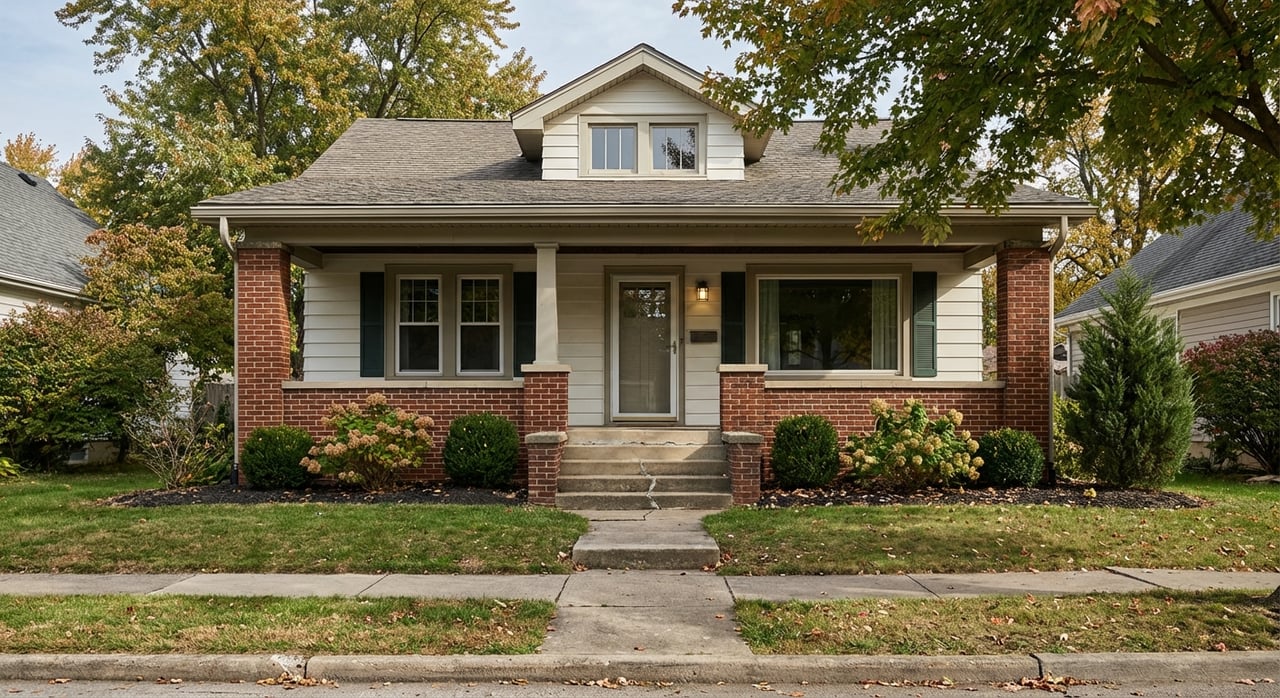
Thinking about living in one unit of a duplex while your neighbor helps pay the mortgage? House hacking in Indianapolis can be a smart way to lower your monthly housing cost and build equity at the same time. If you are eyeing the Near Eastside, you will find practical options, from classic up down two flats to side by side layouts. In this guide, you will learn the local duplex types, financing basics, how to run the numbers, and a clear checklist to move forward with confidence. Let’s dive in.
Why house hack a duplex in Indy
Indianapolis offers approachable price points compared to many major cities, which makes a 2-4 unit property more attainable for first time buyers. On the Near Eastside, you can often find duplexes close to employers and downtown amenities, which helps with rentability. When you live in one unit and rent the other, the rent can offset a portion of the mortgage and operating costs.
Your success comes from good underwriting and conservative assumptions. Focus on legal unit status, realistic rent comps, and a healthy reserve plan. That way, you get the benefit of lower housing costs today and a flexible exit later, whether you keep the property as a rental or sell.
Indy duplex types to expect
Up down duplex
These two flats have one unit on each floor. Privacy is a plus, and some buyers like that these can convert back to single family later. Shared systems like roof and porches mean you should budget for common area maintenance.
Side by side duplex
Mirrored units with separate entrances are popular with renters who prefer ground level access. Separate systems are often easier to manage. Watch for lot coverage and parking constraints on smaller Near Eastside lots.
Converted single family with accessory unit
You may see a main home plus an attic, basement, or carriage house unit. These can feel more like a single family experience. Verify permits, egress, and electrical because non standard systems can require updates.
Small triplex or fourplex
Less common on small Near Eastside lots but present on some blocks. Income potential is higher, but management is more complex. Some lenders may require stronger credit, larger reserves, or higher down payments on 3-4 units.
Tenant demand factors on the Near Eastside
Renters vary by block and proximity to employers or colleges. Parking and public transit access matter for both rentability and turnover. Budget for vacancies and routine maintenance, and screen tenants consistently under state and local laws. Always check block level comparables since rents can swing based on condition, layout, and exact location.
Financing basics for owner occupants
Common loan options
- FHA: Often cited for allowing low down payments on 1-4 units for eligible borrowers. You must occupy one unit as your primary residence and meet property condition standards.
- Conventional: Available for 2-4 units. Some programs offer low down payment options for eligible buyers, but requirements for 3-4 unit properties can be more strict.
- VA or USDA: Can be powerful if you qualify. Rules for eligibility and unit counts vary, so confirm with a program expert.
- Local portfolio lenders: Community banks and credit unions sometimes offer flexible underwriting that fits small multifamily.
Underwriting points that matter
- Occupancy: Most owner occupant programs require you to live in the property, commonly for at least 12 months.
- Rental income: Many lenders count a portion of expected rent to help you qualify. A common rule of thumb is 75 percent of market rent or actual lease income, depending on the program and documentation.
- Reserves and DTI: Expect additional cash reserves and more conservative debt to income limits compared to a single unit home.
- Mortgage insurance: Conventional loans with low down payments often require PMI. FHA uses upfront and annual mortgage insurance premiums.
- Rates: Rates vary by product, credit profile, and market conditions. Owner occupant loans are typically priced better than investor loans.
Practical financing steps
- Get prequalified with at least two lenders who regularly finance owner occupied 2-4 unit properties.
- Ask how they will treat rental income and what documentation they require for leases or market rent.
- Confirm required reserves, down payment minimums for your unit count, and any local appraisal or inspection expectations.
- Work with a lender who is familiar with Indianapolis and Marion County processes.
How to run the numbers
A quick worksheet helps you compare options on equal footing and avoid surprises.
What to collect per property
- Purchase price, down payment, loan amount, interest rate, and term
- Annual property taxes, insurance, and any HOA fees
- Monthly principal and interest payment
- Utilities you will pay as owner: electric, gas, water, sewer, trash
- Maintenance and repairs budget
- Vacancy allowance: consider 5 to 10 percent of gross rent
- Property management fee if applicable
- Capital expenditures reserve for big items like roof or furnace
- Rents per unit and any other income like laundry or parking
Key formulas to know
- Effective gross income = rents plus other income minus vacancy allowance
- Net operating income = effective gross income minus operating expenses
- Cashflow before taxes = NOI minus annual debt service
- Cap rate = NOI divided by purchase price
- Cash on cash return = annual cashflow divided by total cash invested
Example scenario using hypothetical numbers
This is a simple illustration to show how the pieces fit together. Plug in your real numbers before you make decisions.
- Purchase price: 210,000
- Down payment: 5 percent or 10,500 on an owner occupant loan type that allows it
- Loan amount: 199,500
- Assumed rate and term: 6.25 percent and 30 years
- Monthly principal and interest: about 1,224
- Annual taxes and insurance: 2,400 taxes and 1,200 insurance which is 200 and 100 per month
- Maintenance and repairs: 200 per month
- Vacancy: 8 percent of gross rent
- Owner paid utilities and other expenses: 150 per month
- Rents: Unit A 1,000 and Unit B 900 which totals 1,900 gross
Calculate it step by step:
- Effective rent after 8 percent vacancy: 1,748 per month
- Monthly operating expenses counted in NOI: taxes 200, insurance 100, maintenance 200, utilities 150 which totals 650
- NOI monthly: 1,748 minus 650 equals 1,098
- Debt service monthly: about 1,224
- Cashflow monthly: 1,098 minus 1,224 equals negative 126
In this case, the property does not cashflow on paper, but you are also living in one unit. Your out of pocket housing cost may still be far lower than renting a similar apartment, and you are building equity through principal paydown. If rents, expenses, down payment, or interest rate change, the outcome can shift quickly. Always run conservative and optimistic versions before you write an offer.
Due diligence in Marion County
Strong due diligence protects your financing and your returns. Use this checklist as a starting point.
Property level inspections
- Full home inspection that covers structure, roof, foundation, HVAC, plumbing, and electrical service capacity
- Lead paint risk assessment and required disclosures for pre 1978 properties
- Egress checks, smoke and CO detectors, and handrails in each rental unit
- Pest and mold inspections if indicated
- Utility metering review to confirm separate meters or estimate owner costs if shared
- Verify age and condition of roof, furnaces, water heaters, and panels for near term capital needs
Legal and regulatory checks
- Zoning and permitted use confirmation to verify the current unit count is legal
- Rental registration or landlord licensing requirements through the appropriate Indianapolis offices
- Building permits and certificate of occupancy for any conversions or renovations
- Property tax history and potential exemptions through Marion County offices
- Review Indiana landlord tenant statutes and any local rules that affect notices and deposits
- If the home sits in a historic district, confirm exterior change guidelines before planning updates
Operational documents to request
- Rent rolls, all leases, and security deposit records
- Seller expense records including taxes, insurance, utilities, and repairs
- Twelve months of utility bills and any property management agreements
- Tenant status, lease expirations, and deposit balances to be transferred at closing
Common risk areas to flag
- Unpermitted units or conversions that can derail financing
- Shared mechanicals that make separate utility billing hard or reduce rentability
- Parking limits that reduce appeal
- Deferred maintenance that leads to large near term expenses
Next steps and local game plan
- Gather financials and get prequalified with lenders who understand owner occupied 2-4 unit loans.
- Partner with a Realtor who knows Near Eastside small multifamily so you see legal inventory and true rent comps.
- Build a quick worksheet for each property using conservative rents and higher vacancy and CapEx assumptions.
- Write offers with inspections and zoning or permitting contingencies if items are unknown.
- Confirm rental registration and landlord requirements with the appropriate Indianapolis and Marion County offices.
- If using FHA or another program, ask your lender exactly what they need for rental income documentation and occupancy timing.
- Decide on property management or a self management plan and budget for turnover.
- Talk with a housing counselor or financial advisor if you want help modeling long term returns and exit options.
Ready to hunt for a duplex that fits your numbers and your lifestyle on the Near Eastside? I pair block level knowledge with a clean, step by step buying process so you can move fast and feel confident. Reach out to Mariah Barlow to start your house hack search.
FAQs
What is house hacking for a duplex in Indianapolis?
- House hacking means you live in one unit of a 2-4 unit property and rent the others so the rental income helps offset your mortgage and expenses.
How do lenders count rental income when I qualify?
- Many lenders use a common rule of thumb that counts about 75 percent of expected or actual rent, but exact methods and documentation vary by product.
What duplex configurations are common on the Near Eastside?
- You will often see up down two flats and side by side duplexes, plus some converted single family homes with accessory units and occasional triplex or fourplex buildings.
What expenses should I budget for beyond the mortgage?
- Plan for taxes, insurance, owner paid utilities, maintenance, vacancy, and a capital reserve for big items like a roof or furnace, plus management if you do not self manage.
How can I check if a unit is legal in Marion County?
- Confirm zoning and permitted use, review prior permits and certificates of occupancy, and verify any rental registration or inspection requirements before closing.
What is a reasonable vacancy allowance for planning?
- A conservative planning range is 5 to 10 percent of gross rent, with the exact figure depending on location, condition, and your leasing plan.