Eyeing one of Irvington’s older homes with the wraparound porch and storybook trim? You are not alone. Historic homes in small Illinois villages offer character, craftsmanship and a sense of place you cannot buy new. This guide walks you through what to look for, which inspections matter most, how permits and incentives work, and smart next steps so you can buy with confidence. Let’s dive in.
Irvington’s context and what “historic” means
Irvington is a small village in Washington County, Illinois, with a population of about 581. Services and contractors often cluster in nearby towns, so planning and scheduling can take a bit more coordination than in a big city. You can read a quick overview on the village’s background in the Irvington entry on Wikipedia. For any project questions, start with the county’s municipal contact page to identify who handles zoning and permitting for village properties. Some permits may be at the village level, and others may be at the county level. Confirm this before you plan work.
Many small communities do not have formal historic districts. If you are curious about a home’s history or status, the Washington County Historical Society is a helpful first stop. They can point you to building histories, old photos or leads on long-time local tradespeople. Always verify whether a property is subject to any local preservation rules before you make renovation plans.
Common historic house types you will see
You will likely find a mix of late 19th and early 20th century homes in and around Irvington. The National Park Service outlines the kinds of forms and materials common to this era and how to care for them. On tours, you may notice:
- Vernacular I-house and gable-ell forms, plus folk-Victorian cottages with simple trim.
- Queen Anne or Late Victorian elements on larger homes, like asymmetrical facades and decorative porches.
- Early 1900s American Foursquares and Craftsman bungalows with broad porches and chunky piers.
- Brick and wood-frame walls, masonry chimneys, original single-pane wood windows, and plaster interiors.
Spot these features on a showing
- Roof shape and chimney condition. These define character and are common leak points.
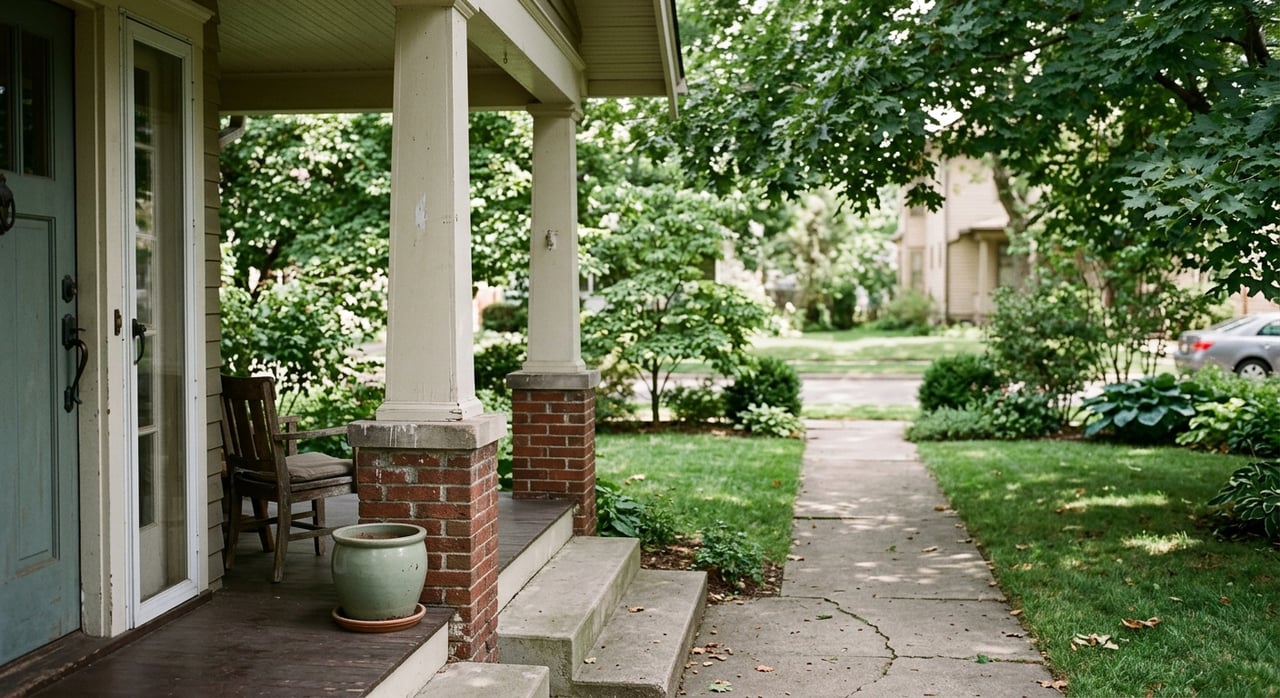
- Porch details. Look at posts, brackets and decking for rot or movement.
- Masonry and mortar. Spalling brick or soft, eroded joints are red flags.
- Windows and sills. Check for original sash, paint failure and soft wood.
- Signs of additions. Enclosed porches or mismatched siding can signal non-original changes and a permit history to review.
Hidden issues to watch before you fall in love
Older homes age well when water and safety are managed first. InterNACHI’s guidance on historic homes is a solid reference for what to prioritize. Use this quick checklist during early tours:
- Foundations and drainage. Look for settlement, diagonal or stepped cracks, and damp basements or crawlspaces. Foundation fixes can drive costs, so take them seriously.
- Roofing and flashing. Water stains at ceilings, soft roof decking near eaves and failing flashing around chimneys are common. The National Park Service recommends repairing leaks while keeping historic roof forms intact.
- Porches and exterior woodwork. Porch posts, railings and skirt boards often show rot. Repairs preserve curb appeal and protect structure.
- Windows and comfort. Original single-pane wood windows can be drafty. NPS guidance suggests repair and adding storm windows before full replacement when possible.
- Electrical systems. Fuse panels, knob-and-tube remnants or mixed-era wiring deserve a licensed electrician’s review.
- Plumbing. Galvanized supply lines and old cast-iron or clay drains may be at the end of their service life.
- Heating equipment. Older boilers or furnaces may function but be inefficient or near replacement.
- Hazardous materials. Homes built before 1978 may contain lead-based paint. Many mid-century finishes can contain asbestos. The EPA’s Renovation, Repair and Painting rule applies when paint will be disturbed. Asbestos should be tested and, if present, handled by trained professionals following safety guidance.
- Indoor environmental health. Radon and moisture-related mold are common issues in Illinois. Plan on a radon test during due diligence and investigate any signs of water intrusion.
The right inspections for historic homes
Build a strong inspection package up front so you can negotiate and plan work with eyes open. A good baseline for an older or historic home includes:
- Full home inspection by someone experienced with older properties.
- Structural or foundation evaluation by an engineer if settlement or significant cracking appears.
- Licensed electrician review of service capacity, panel safety and any obsolete wiring types.
- Licensed plumber and a sewer camera scope to check drains and identify any galvanized or lead service lines.
- HVAC service check for age, safety and venting on boilers or furnaces.
- Lead testing or a lead hazard risk assessment for pre-1978 homes, with an RRP-certified firm for any paint-disturbing work.
- Asbestos inspection and lab testing before disturbing suspect materials such as old tiles, insulation or siding.
- Radon testing with a short-term monitor during the inspection window.
How to use the reports in negotiation:
- Triage safety and water first. Electrical hazards, structural movement, carbon monoxide or fire risks, roof leaks and foundation water deserve top priority.
- Price the essentials. Get written estimates for major items before you waive contingencies.
- Stage character projects. Window tuning, plaster repair and porch restoration can follow later phases if safety and the building shell are secure.
Permits, standards and incentives in Illinois
Before planning exterior changes, additions or structural work, confirm permitting with Washington County’s zoning and building contacts. In some small villages the county manages permitting, while others handle certain items locally. Getting clarity early will save time.
If your project aims to preserve character or may pursue funding, the Secretary of the Interior’s Standards and the National Park Service’s Preservation Briefs provide the playbook for work on windows, porches, masonry and more. These standards are required for certain tax credit projects, and they also serve as best practice for any thoughtful rehabilitation.
Thinking about incentives? Illinois offers state historic preservation programs, including the Illinois Historic Preservation Tax Credit, River Edge Historic Tax Credit in qualifying areas, and a property tax assessment freeze for some owner-occupied historic homes. Most federal and many state rehab tax credits apply only to income-producing historic properties and require the building to be certified historic. Rules change, and eligibility is specific. Contact the Illinois State Historic Preservation Office early to understand what may fit your project.
Hiring contractors and setting a realistic budget
Historic homes reward careful planning. A smart approach will help you protect original features and control surprises.
What to require when you hire:
- Licensing and insurance. Verify both. For any work that disturbs old paint, confirm the firm and renovator are certified under the EPA’s RRP rule.
- Historic-materials experience. Ask for a portfolio of similar projects and recent references.
- Hazard protocols. For potential asbestos, require professional testing and clear abatement plans that follow safety guidance.
- Written, itemized contracts. Include a change-order policy. Older houses can reveal hidden conditions once work begins.
How to build your budget:
- Prioritize like a pro. Fund safety, structure and water management first. Then plan energy and comfort upgrades. Save decorative or character restorations for later phases if needed.
- Get multiple written estimates. Prices vary widely for specialized work. Comparing scope line by line is key.
- Add a contingency. Many buyers set aside 10 to 20 percent for surprises in older homes.
- Phase the project. Start with roof, gutters, drainage and critical systems. Move to window tuning, plaster and porch repairs as funds allow.
Your step-by-step next moves in Irvington
Use this checklist to move from interest to confident action:
- Confirm the home’s status. Ask Washington County or the historical society whether the property is in any local or national listing, or if any prior preservation work is documented.
- Book the right inspections. Choose an inspector who knows older homes and add specialists for structure, electrical, plumbing, HVAC, radon and lead or asbestos as needed.
- Map your renovation plan to best practices. If you plan to preserve character or seek incentives, align your scope with the Secretary of the Interior’s Standards.
- Explore incentives early. Speak with the Illinois SHPO about eligibility and what documentation you will need before you start work.
- Vet your contractors. Require proper certifications, ask for similar project examples and insist on detailed written scopes and schedules.
- Build a phased budget. Tackle safety and water first, then comfort, then finishes and character details.
Buying an older home in a small Illinois village can be incredibly rewarding. With the right due diligence, you can protect its history and make it comfortable for modern living. If you want a second set of eyes on your plan or a friendly sounding board, reach out to Mariah Barlow for a conversation about next steps.
Mariah Barlow is here to help you think through inspections, scope and strategy so you can move forward with clarity.
FAQs
What makes a home “historic” in Irvington, IL?
- In small Illinois villages, “historic” often means older housing from the late 1800s to early 1900s. Formal designation varies. Always confirm status with Washington County or the local historical society.
Which inspections matter most for older homes in Illinois?
- Start with a full home inspection, then add specialists for structure, electrical, plumbing, HVAC, radon and potential lead or asbestos. This lineup helps you prioritize safety and water issues.
Do I need special permits to renovate a historic home in Washington County?
- Exterior, structural and addition work typically require permits. In some cases the county handles permitting, while the village may handle others. Check with Washington County contacts early to confirm who reviews your project.
Are there tax credits or incentives for restoring an older Illinois home?
- Illinois offers programs like the Illinois Historic Preservation Tax Credit and a property tax assessment freeze in some cases. Federal credits usually apply to income-producing certified historic properties. Contact the Illinois SHPO to confirm eligibility.
How can I improve energy efficiency without losing historic character?
- Address air sealing and weatherstripping, repair original windows and add storms, tune HVAC and reduce water intrusion. The National Park Service’s guidance favors repair-first approaches that keep original materials where feasible.