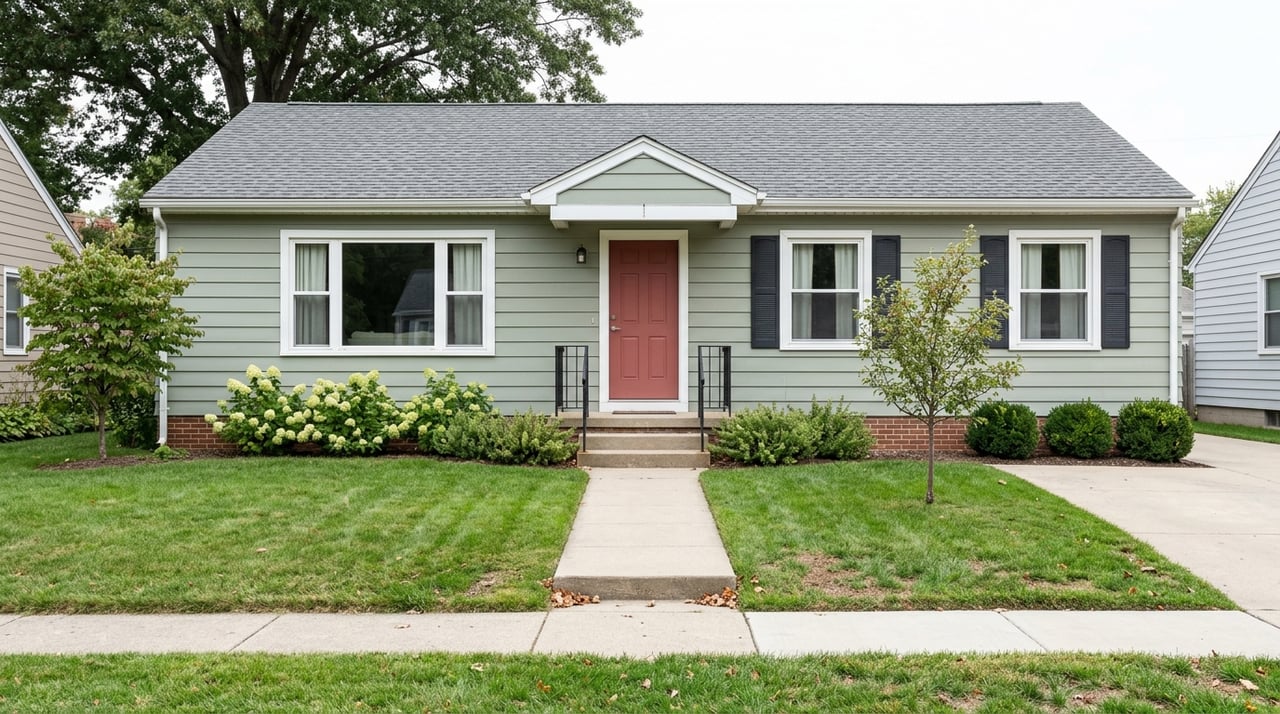
Wondering whether to price high and “leave room” or come in sharp and attract attention? In Broad Ripple, that choice matters more than many sellers realize. This neighborhood is moving faster and pricing stronger than Indianapolis overall, so the right list price needs to reflect Broad Ripple’s own market, not a citywide average. In this guide, you’ll see how pricing works today, what features buyers are paying for, and what to do if your home does not get traction early. Let’s dive in.
Why Broad Ripple pricing is different
Broad Ripple deserves its own pricing conversation because it is performing differently from the broader Indianapolis market. In March 2026, Broad Ripple’s median sale price was $304,000, homes averaged 37 days on market, and the average sale-to-list ratio was 98.7%. By comparison, Indianapolis overall had a median sale price of $245,000, 55 days on market, and a 97.7% sale-to-list ratio.
That difference matters if you are getting ready to sell. If you price your home based on broad city stats alone, you may undershoot what buyers are willing to pay in Broad Ripple. You also risk missing the factors that make this area stand out in the first place.
Broad Ripple’s identity plays a role here too. Local sources describe it as a long-established cultural district with dining, shopping, arts, recreation, and access to outdoor amenities like the Monon Trail and Broad Ripple Park. For many buyers, the appeal is not just the house itself, but the daily lifestyle tied to the location.
What today’s numbers suggest
Current neighborhood data points to a market that is still competitive, but price-sensitive. Zillow reported a typical Broad Ripple home value of $332,346 and a median list price of $326,300 as of March 31, 2026, with only 30 homes for sale. Redfin also noted that some homes still receive multiple offers and that hot homes can go pending in around 5 days.
That does not mean every listing can name its price. Over the last three months, the average Broad Ripple home sold for about 2% below list price. In plain English, buyers are active, but they are still comparing value closely.
How the first list price gets set
A strong first list price usually starts with the most recent Broad Ripple comparable sales. That means looking at similar homes in the neighborhood and then adjusting for the details that influence value. Broad Ripple has enough activity to support current neighborhood comps, which is important because the pace and pricing here are not the same as the rest of the city.
The goal is not to chase the highest number you can justify on paper. The goal is to choose a price that makes your home competitive the moment it hits the market. Serious buyers tend to focus on new listings quickly, and that early window matters.
The features that shape price most
When pricing a Broad Ripple home, the main adjustments usually come down to:
- Condition
- Square footage
- Bedroom and bathroom count
- Lot size
- Garage or off-street parking
- Basement space
- Property type, such as single-family, condo, or townhome
Condition often carries extra weight. A home with clean finishes, fresh paint, and visible upkeep can feel market-ready right away, while a similar home with dated surfaces or deferred maintenance may need a lower price to compete.
Why property type matters
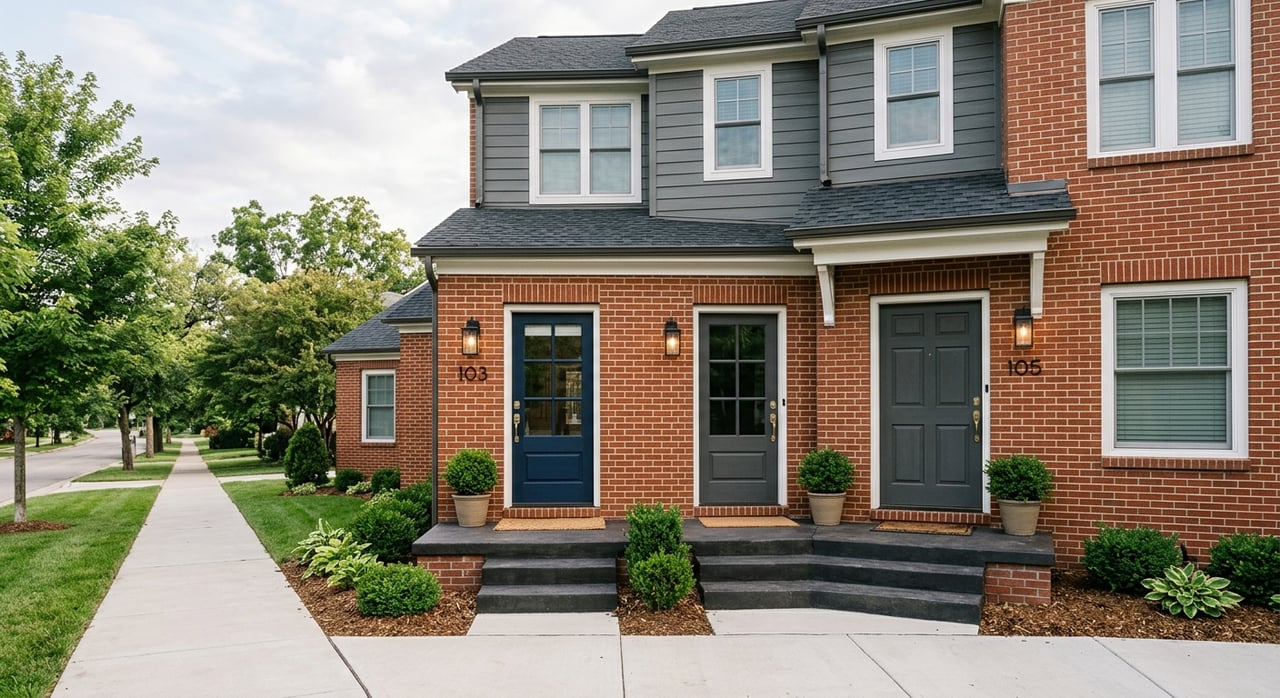
A condo or townhome should not be priced exactly like a single-family home just because it is nearby. Property type changes how buyers compare options, and that affects value. A single-family home may offer yard space, more privacy, or different parking and storage features, while a condo or townhome may compete more on convenience, layout, and overall condition.
The key is to compare like with like whenever possible. In a neighborhood as varied as Broad Ripple, that helps keep the pricing strategy realistic and defensible.
Which updates move the needle
Not every improvement adds the same value, and not every project should happen before listing. The best pricing strategy usually looks at updates through one simple lens: what will help your home show better and compete more confidently with recent sales?
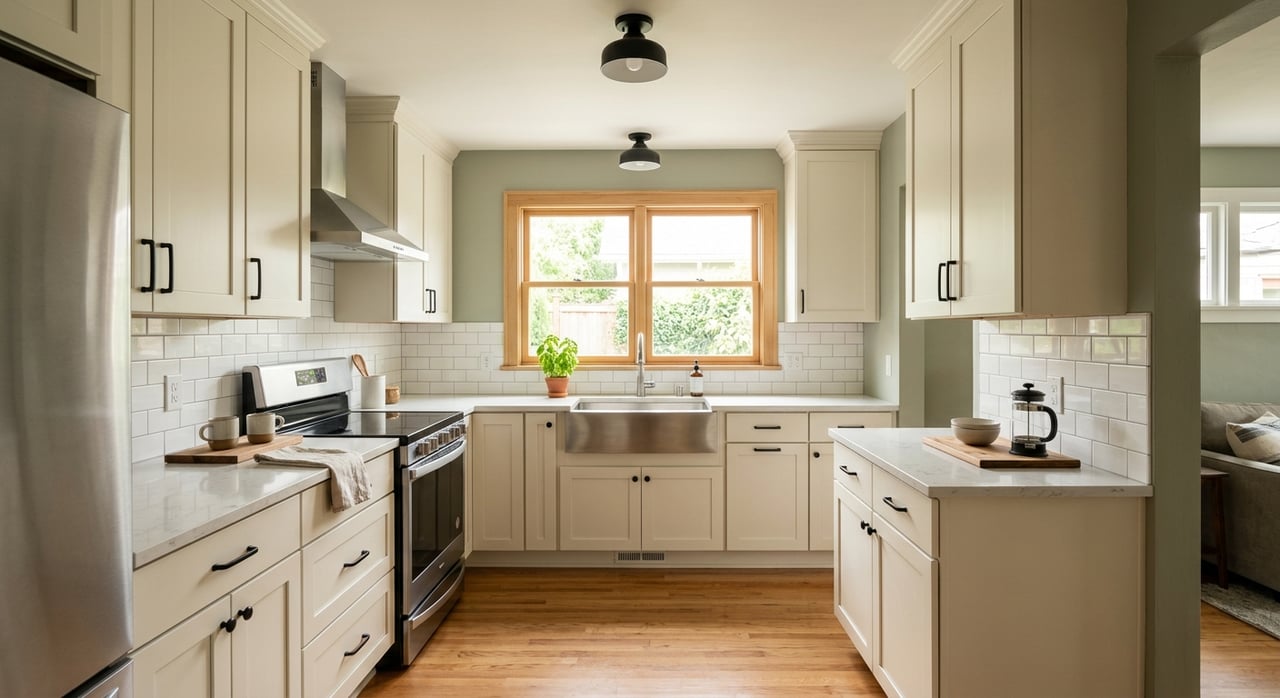
National remodeling and buyer-preference research in your source material points to a few patterns. Buyers continue to respond to authenticity, personalization, and finishes that feel intentional rather than random. Higher-quality cabinets, better flooring, a walk-in pantry, and table space in the kitchen ranked well in buyer preferences.
That does not mean you need a full renovation before selling. In many cases, targeted work matters more than a giant budget.
Updates that often help most
If you are deciding where to spend time or money before listing, these are usually the most practical places to start:
- Fresh paint in simple, neutral tones
- Flooring updates if current materials feel worn or inconsistent
- Kitchen improvements that clean up the space visually
- Bathroom fixes that improve function and appearance
- Landscaping and exterior cleanup
- Lighting upgrades, especially outside
Curb appeal matters in almost every market, but it deserves special attention here. According to the research report, 92% of REALTORS® recommend improving curb appeal before listing, and 97% say curb appeal is important in attracting a buyer.
Why outdoor features matter in Broad Ripple
Outdoor space can carry real weight in this neighborhood. Broad Ripple is closely tied to trails, parks, and recreation, so buyers often notice how a home connects to outdoor living. That makes exterior presentation more than just a finishing touch.
Buyer-preference data from NAHB shows that outdoor features wanted by 75% or more of buyers include exterior lighting, a patio, a front porch, a rear porch, and a deck. In Broad Ripple, that means usable outdoor areas can support stronger pricing expectations when they are clean, functional, and easy to picture using.
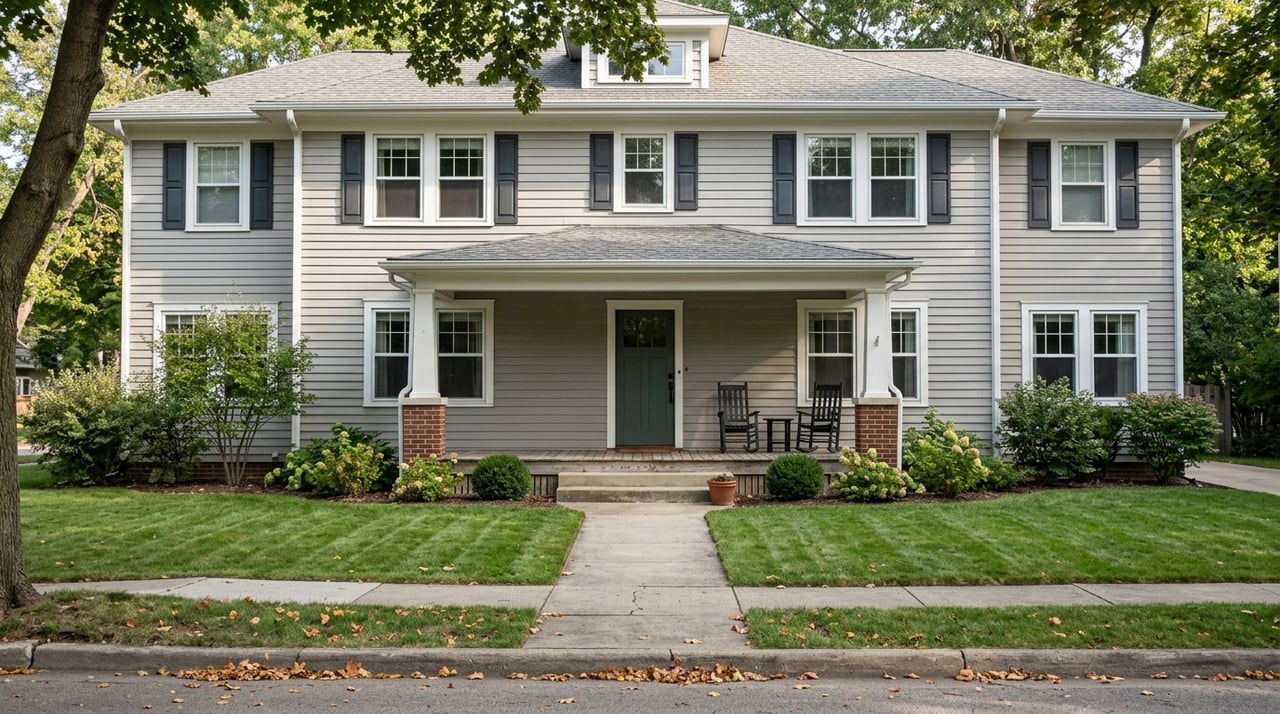
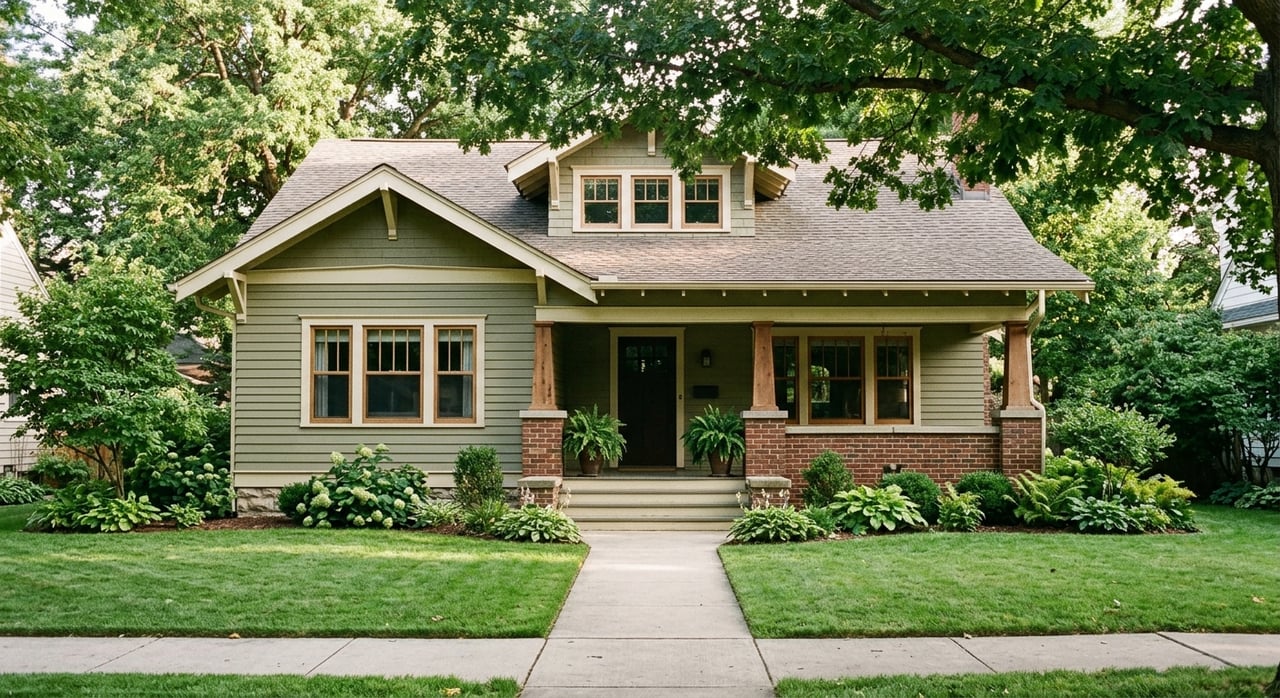
You do not need a resort-style backyard to benefit from this. A tidy patio, a solid front porch, good lighting, and a well-kept yard can all help your home feel more complete. In a walkable neighborhood with strong outdoor identity, those details often help buyers connect faster.
Timing your launch without guessing
Timing still matters, but timing alone will not fix an unrealistic price. Central Indiana market reports from MIBOR show that spring tends to bring more activity and more supply. In May 2025, pending sales rose 16.8% year over year, new listings rose 7.2%, the typical listing received 98.8% of asking price, and inventory was at a 1.7-month supply.
That pattern tells you two things. First, more buyers are active in spring. Second, more sellers are active too, so your home still needs to stand out on price and presentation.
In Broad Ripple, the first launch matters a lot. With homes averaging 37 days on market and some hot listings going pending in about 5 days, buyers often make their first impression quickly. If your home enters the market overpriced, it can miss that first wave of serious attention.
What to expect in the first two weeks
The first two weeks are often the clearest pricing feedback you will get. This is when the most motivated and best-informed buyers usually notice a new listing. If showings are slow, online saves are weak, or offers are not coming in, the market may be telling you the price is not lining up with buyer expectations.
That does not always mean something is wrong with the house. Sometimes the issue is simply that the home is positioned above the range where buyers see it as a strong value. In a market where the average sale is already landing slightly below list, getting ahead of that feedback can protect momentum.
Signs the list price may need work
Watch for these signals early:
- Good online views but very few showings
- Showings with no strong follow-up interest
- Repeated buyer feedback that mentions price
- Comparable homes going pending while yours sits
- No meaningful activity after the first 10 to 14 days
If those signs appear, waiting too long can make the next step harder. A stale listing often ends up chasing the market instead of leading it.
A smarter Broad Ripple pricing approach
The strongest pricing strategy blends neighborhood comps, honest condition analysis, and a clear launch plan. It also respects what makes Broad Ripple different: stronger pricing than the city overall, limited inventory, lifestyle appeal, and buyers who are paying attention to both the home and the setting around it.
That is where hands-on, local pricing can make a real difference. Broad Ripple is not a place for generic numbers pulled from a broad map search. It is a neighborhood where details matter, and where smart pricing, polished presentation, and quick response to market feedback can help you protect value from day one.
If you are thinking about selling in Broad Ripple, the best next step is to look at your home through the lens of current neighborhood data, recent comparable sales, and buyer expectations right now. For a personalized pricing strategy and boutique, hands-on guidance, connect with Mariah Barlow.
FAQs
How should a Broad Ripple seller choose a list price?
- Start with the most recent Broad Ripple comparable sales and adjust for condition, size, bed and bath count, lot, parking, basement space, and property type.
How does Broad Ripple compare to the overall Indianapolis market?
- Broad Ripple has been stronger and faster-moving, with a March 2026 median sale price of $304,000, 37 days on market, and a 98.7% sale-to-list ratio, compared with Indianapolis overall at $245,000, 55 days, and 97.7%.
Which home updates matter most before selling in Broad Ripple?
- Condition, curb appeal, paint, flooring, kitchen and bath presentation, landscaping, and outdoor lighting can all influence how buyers respond and how confidently a home can be priced.
Do patios, porches, and decks help Broad Ripple home prices?
- They can, especially in a neighborhood known for parks, trails, and outdoor living, where usable exterior spaces often strengthen buyer appeal.
Should a Broad Ripple condo be priced like a single-family home?
- No. Condos, townhomes, and single-family homes should usually be priced against similar property types because buyers compare them differently.
What should a Broad Ripple seller do if a home gets little interest early?
- Pay close attention to the first 10 to 14 days, because weak showing activity or repeated price feedback may mean the home needs a pricing adjustment to regain momentum.