If you want a small multifamily property in central Indianapolis without jumping to downtown price tags, Garfield Park deserves a hard look. This neighborhood gives you park access, trail connections, transit options, and a lower price point than several nearby core areas, which can make the numbers and the day-to-day lifestyle more workable. Whether you are thinking about house hacking or buying a small rental, here is what to know before you make a move. Let’s dive in.
Why Garfield Park stands out
Garfield Park refers to the southside Indianapolis neighborhood in Marion County, anchored by the city’s oldest park. It sits south of Fountain Square and is generally bounded by Beecher Street, I-65, Troy Avenue, and East Street and Madison Avenue. That location puts you close to central Indy while still offering a distinct neighborhood feel.
For small multifamily buyers, that matters because location can support both your exit options and your renter appeal. Garfield Park combines urban access with established housing stock, and that mix often creates opportunities in older duplexes and similar small properties rather than large apartment-style buildings.
Small multifamily fits the housing stock
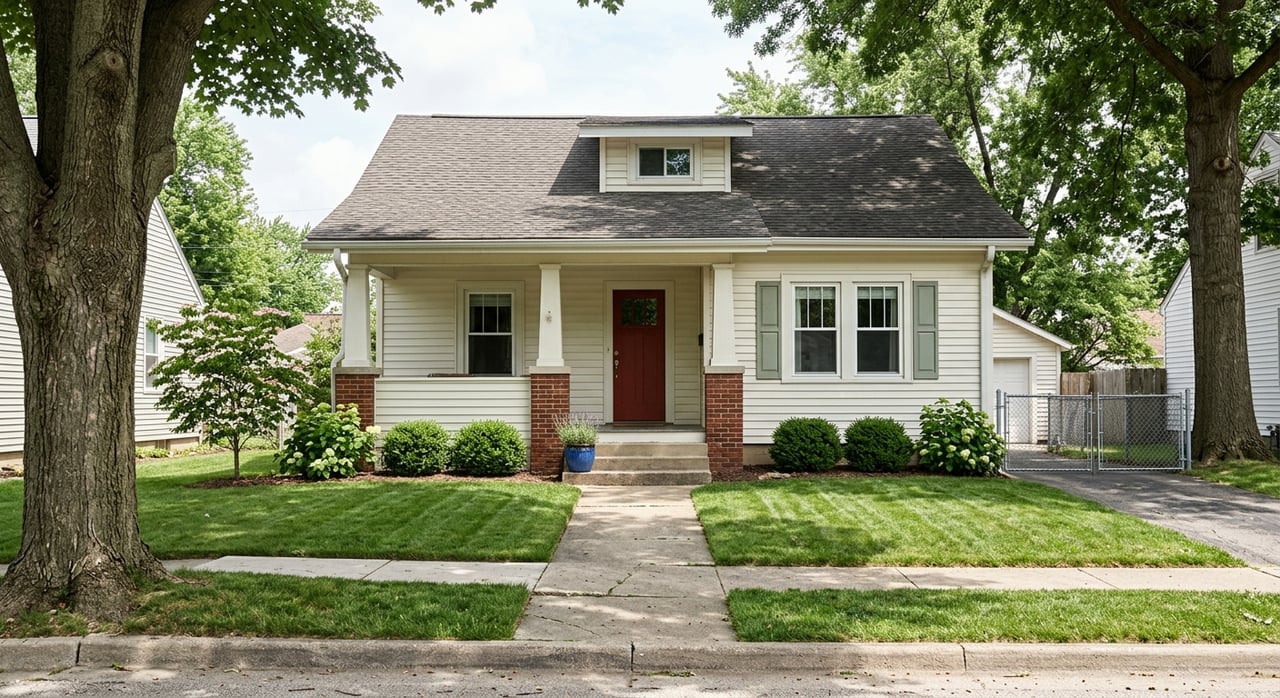
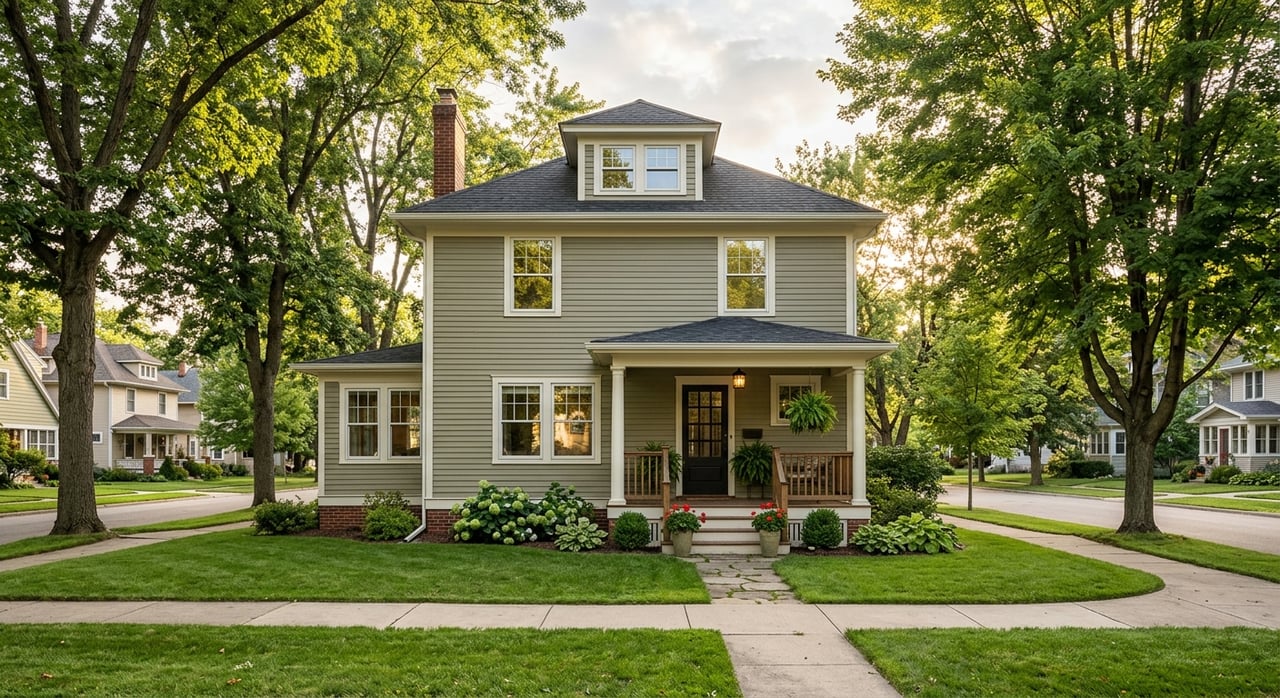
The local housing mix tells an important story. In and around Garfield Park, you see everything from very old homes to 20th-century bungalows, duplexes, and other character-rich properties. Nearby historic district documentation points to a strong pre-1940 building pattern, with styles like bungalows, American Foursquare, Craftsman, Tudor Revival, Colonial Revival, and gable-front cottages.
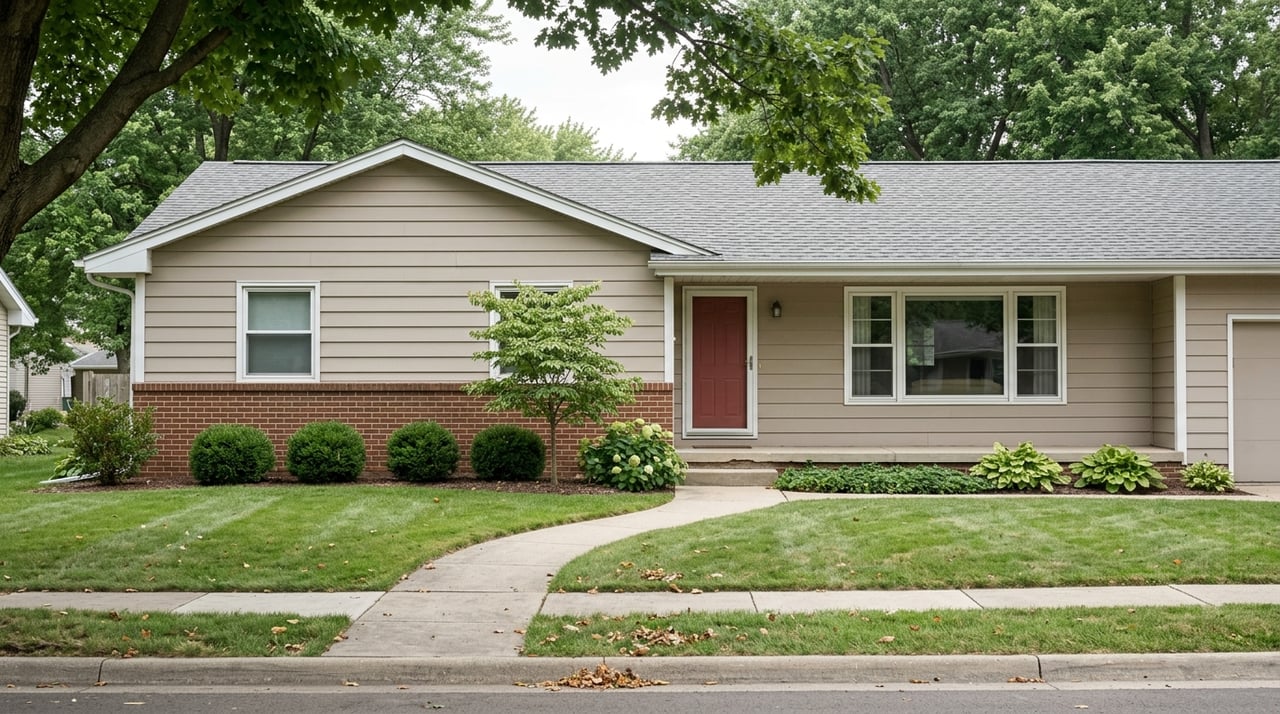
For you as a buyer, that suggests the most likely small multifamily opportunities are older, scattered, value-add properties. In plain terms, you are more likely to find a duplex with vintage charm and some updating needs than a newer purpose-built apartment asset. That can be appealing if you want a lower basis and are comfortable evaluating condition carefully.
Reinvestment adds to the long-term story
Garfield Park is not just a neighborhood with history. It also has a continuing reinvestment story tied to historic-property rehab, new-home construction, local businesses, and pedestrian and bike improvements along the Shelby Street corridor. That kind of momentum can be meaningful if you are trying to buy into an area with both established character and ongoing improvement.
This does not mean every property is turnkey or that every block will feel the same. It does mean Garfield Park has a documented pattern of renewal that supports interest from buyers who want central Indianapolis exposure without chasing the highest-priced neighborhoods.
Park amenities support everyday appeal
The neighborhood’s biggest amenity is right in its name. Garfield Park covers more than 122 acres and includes the Conservatory and Sunken Garden, Arts Center, Burrello Family Center, Aquatic Center, MacAllister Center for the Performing Arts, trails, and other recreation spaces.
That matters for renters and owner-occupants because nearby amenities can shape how a property lives day to day. A duplex near a major park can be easier to enjoy if you plan to live in one unit, and it can also be easier to market when future tenants value access to outdoor space and recreation.
There is also more investment coming. Indy Parks says the park is benefiting from Lilly Endowment-funded work, including a new playground project and Sunken Gardens fountain improvements scheduled around 2026. Friends of Garfield Park has also invested more than $6 million in programs and projects since 1998.
Transit and trail access broaden demand
Garfield Park is not just about green space. It also benefits from useful transportation connections. The Pleasant Run Greenway links the neighborhood to the southeast-side trail network and can connect riders toward Fountain Square, the Indianapolis Cultural Trail, and the Red Line station area on Shelby Street.
On the transit side, IndyGo says Route 13 serves Garfield Park, and the Red Line runs 13 miles through the heart of the city with peak arrivals every 15 minutes. IndyGo also notes that the corridor reaches more than 50,000 residents and nearly 150,000 jobs within a quarter mile. For you, that supports the case for a renter pool that values car-light living, commuting flexibility, or quick access to jobs and daily needs.
Nearby University of Indianapolis adds another anchor
Another factor worth watching is the University of Indianapolis. UIndy’s campus is on the city’s south side on Hanna Avenue, and its main campus has more than 4,000 students. The Red Line also serves University Station, adding another transit-connected link in the broader area.
For a small multifamily owner, that nearby campus can support demand from people tied to the university or the surrounding southside and downtown economy. You should still evaluate each property on its own merits, but the presence of a nearby campus adds one more practical reason Garfield Park stays on investors’ radar.
Best property types to watch
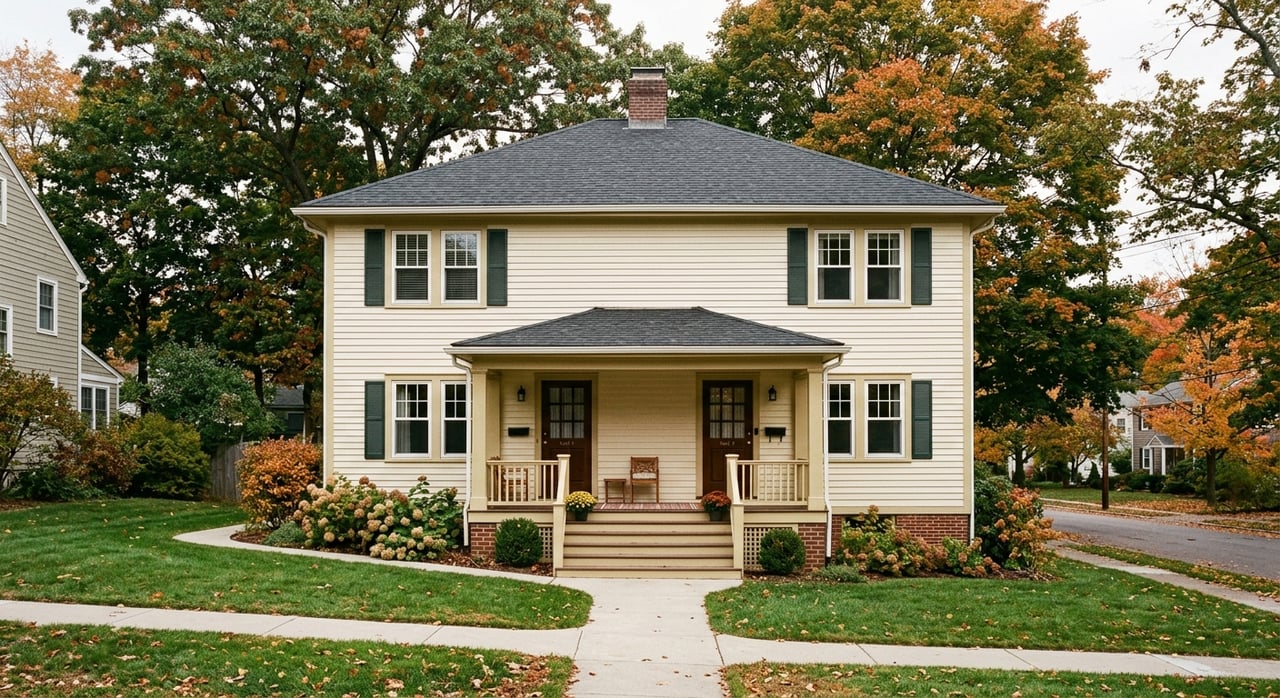
In this neighborhood, the most likely targets are duplexes and other small older buildings that function as two- to four-unit rentals. These are often the sweet spot for buyers who want manageable scale, house hacking potential, or a first small investment in central Indy.
When you tour properties, layout matters more than many buyers expect. Pay close attention to:
- Separate entrances
- Unit privacy
- Utility separation
- Parking setup
- Stair placement
- Ease of owner occupancy
Those details can affect leasing, day-to-day livability, and eventual resale. A charming old duplex is great, but a practical floor plan often matters just as much as curb appeal.
Underwrite condition conservatively
Older housing can create opportunity, but it can also create surprises. Because much of the housing stock is prewar or early 20th century, you should go into due diligence with a conservative mindset.
Key systems and site issues deserve close attention, including:
- Roof age
- Foundation condition
- Plumbing
- Electrical
- HVAC
- Windows
- Basement or moisture concerns
- Site grading and drainage
That last point is especially important because Garfield Park sits near the confluence of Pleasant Run and Bean Creeks. This is not a claim that every property has water problems, but it is a good reminder to look beyond cosmetic updates when you evaluate a deal.
A quick rent reality check
If you want a simple first-pass screen, current neighborhood rent averages offer a useful benchmark. Apartments.com shows average Garfield Park rents of $654 for a one-bedroom and $918 for a two-bedroom, with rents up 1.3% over the past year.
Using that two-bedroom average, a two-unit property leased at roughly that level would produce about $22,032 in annual gross revenue before vacancy, repairs, taxes, insurance, and debt service. That is not a full underwriting model, but it is a straightforward way to sense-check whether a duplex deserves a deeper look.
How Garfield Park compares on price
Garfield Park also stands out on entry price compared with several nearby central Indy areas. Zillow’s neighborhood estimate puts Garfield Park’s average home value at $171,117 as of March 31, 2026. Nearby values are higher in Fountain Square at $252,439, downtown at $344,550, and Near Southside at $195,258.
That places Garfield Park in a lower-mid price tier inside central Indianapolis. For you, that can mean a more accessible path into an urban neighborhood with park amenities and transit connections, especially if you are open to older properties that may need updates.
The broader metro picture
It also helps to zoom out. Recent Indianapolis multifamily reports point to a stable metro market, with average advertised asking rent at $1,310 in early 2026, 1.1% year-over-year growth, and occupancy reported at 92.8% in mid-2025. Construction activity appears manageable based on the reported pipeline.
Garfield Park is still its own story, though. This is less about shiny suburban Class A inventory and more about urban infill, character housing, and value-add potential. If that matches your goals, the neighborhood may fit better than trendier or more expensive alternatives.
Who Garfield Park fits best
Garfield Park can be a strong fit if you want central Indianapolis access, a lower price point, and a property type that offers flexibility. It is especially compelling for:
- House hackers who want to live in one unit and rent the other
- First-time small investors looking for duplexes or two- to four-unit properties
- Buyers comfortable with older homes and realistic renovation planning
- Owners who value park access, trails, and city connectivity
The strongest opportunities are likely to be properties with solid bones, workable layouts, and a realistic path to improved rents or improved owner usability. In a neighborhood like this, buying well often comes down to seeing past surface finishes and focusing on structure, function, and location.
Smart next steps before you buy
If Garfield Park is on your shortlist, keep your process practical. Start with a clear budget, review likely renovation needs early, and compare the property’s layout and condition against your ownership plan.
A few smart next steps include:
- Decide whether you are buying for house hacking, long-term rental income, or future resale flexibility
- Estimate repairs before you get emotionally attached
- Use current neighborhood rent averages as a rough screen, not a final answer
- Study access to the park, trails, and transit routes
- Look closely at utility setup and parking
- Plan inspections with older-home risks in mind
Garfield Park is not a one-size-fits-all neighborhood, and that is part of its appeal. If you know what to look for, small multifamily here can offer a compelling mix of location, character, and lower-basis opportunity.
If you want help sorting through duplexes, small multi-unit properties, or value-add opportunities around Garfield Park, Mariah Barlow brings local neighborhood knowledge, sharp deal instincts, and hands-on guidance to help you move with confidence.
FAQs
What kinds of small multifamily properties are most common around Garfield Park?
- The most likely opportunities are older duplexes and small two- to four-unit properties, often tied to the neighborhood’s pre-1940 housing stock.
What makes Garfield Park appealing for house hacking?
- Garfield Park offers a lower-mid price point in central Indianapolis, plus access to a large park, trails, and transit connections that can support both owner-occupants and renters.
What rent levels should buyers use when screening Garfield Park duplexes?
- A rough benchmark is about $654 for a one-bedroom and $918 for a two-bedroom, based on current neighborhood averages cited in the research.
What should buyers inspect carefully in older Garfield Park multifamily properties?
- Pay close attention to the roof, foundation, plumbing, electrical, HVAC, windows, basement moisture issues, and site drainage.
How does Garfield Park compare with nearby Indianapolis neighborhoods on price?
- Garfield Park’s average home value is lower than nearby Fountain Square, downtown, and Near Southside, which can make it an attractive entry point for buyers seeking central Indy access.
Why do transit and trails matter for Garfield Park rental demand?
- Route 13, the nearby Red Line connection, and the Pleasant Run Greenway can make the area more practical for people who want access to jobs, services, and other parts of the city.